



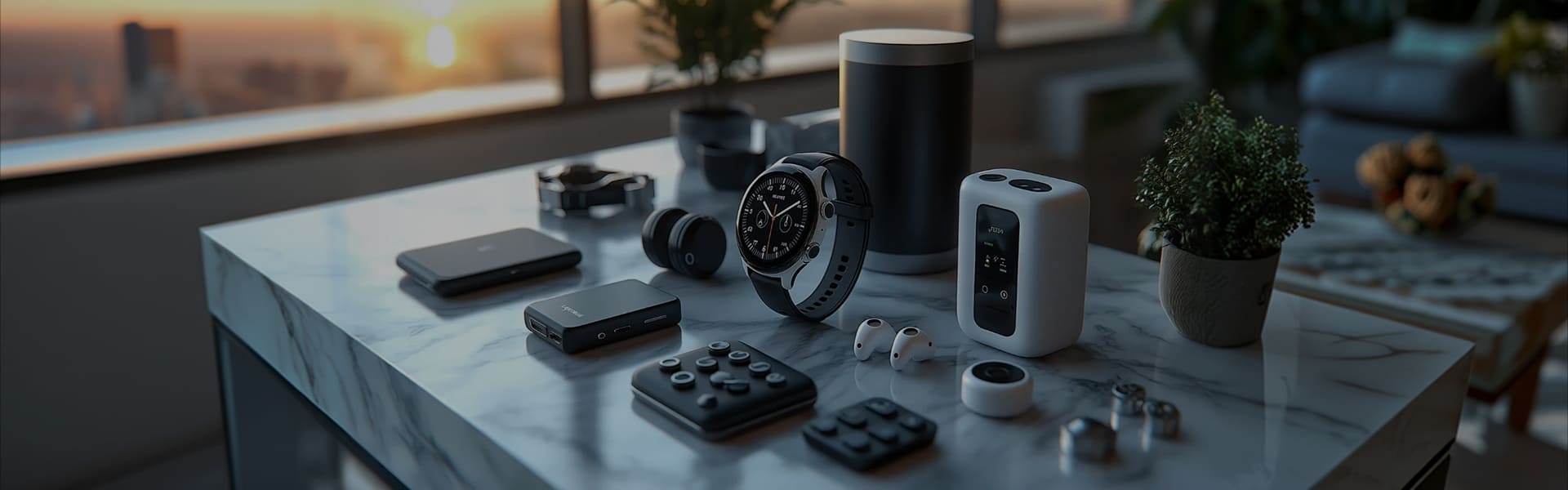
Smart devices are all over in this day and age. We are now prompted to complete things with phones. Watches help us track our steps. Speakers are answering our questions.
Nowadays, apps advise us where to go, what to buy, and even when to sleep. They’re called smart for a reason. Still, it makes you wonder – are these devices actually making us smarter?
What Smart Devices Do Well


There is no doubt that smart devices are valuable. They help us memorize things we might otherwise fail to recall. They make information easily accessible. They save time doing routine tasks.
Need directions? Your phone handles it. Need a reminder? Your watch buzzes. Need quick information? One tap and it’s there.
In that sense, smart devices help in reducing mental load. They handle minor details so we can concentrate on more important matters. For many people, this is actually beneficial.
Where Things Begin to Feel Different
Most individuals miss the shift because it occurs gradually. We stop memorising phone numbers. We rely on GPS instead of remembering routes. We Google answers instead of thinking through them.
None of this is incorrect on its own. Nonetheless, over time, we start outsourcing more thinking than we realise. When a device always steps in, our brain doesn’t get much practice.
Convenience starts replacing effort.
Are We Learning, or Just Accessing?
Knowing something doesn’t mean you can look it up hastily. Smart devices make answers easy to find, but that doesn’t always mean we understand them. We often flick through, scroll, and then set off. We feel like we know something just because we’ve seen the solution once. But if the device is gone, the knowledge often goes with it.
That’s not about intelligence, it’s about how we use the tools.
Smart Devices Can Support Thinking Only If Used Right
Smart devices don’t automatically make people less thoughtful. They can actually support learning and problem-solving when used intentionally. Notes apps help organise ideas. Calendar tools improve planning. Learning apps make information easier to revisit.
The problem isn’t the device. It’s how passively we sometimes use it. When devices replace thinking, skills fade. When devices support thinking, skills grow. That line matters more than the technology itself.
The Habit of Not Sitting with Questions
One subtle change smart devices bring is impatience. We’re less comfortable sitting with a question. If an answer doesn’t come instantly, we reach for a screen. That removes the pause where thinking usually happens.
Problem-solving often needs time. Smart devices shorten that process – sometimes helpfully, sometimes too much. Over time, the habit of waiting for instant answers can weaken curiosity.
So… Are We Getting Smarter or Just More Dependent?
The honest answer is both.
Smart devices make life easier. They improve efficiency. They reduce friction. That is not a problem by itself. However, on their own, they do not significantly increase our intelligence. They don’t build judgment, creativity, or deep understanding. Those still come from effort, reflection, and experience.
Devices amplify habits – good or bad. If someone uses them to learn, organise, and reflect, they can be incredibly helpful. If someone uses them to avoid thinking altogether, they quietly take over.
Lastly
Smart devices aren’t making decisions for us. We’re choosing how much control to hand over. Used thoughtfully, they support learning and free up mental space. Used passively, they slowly replace skills we don’t even realise we’re losing.
Being “smart” has never been about having the best tools. It’s about how we use them. And that part is still up to us.