
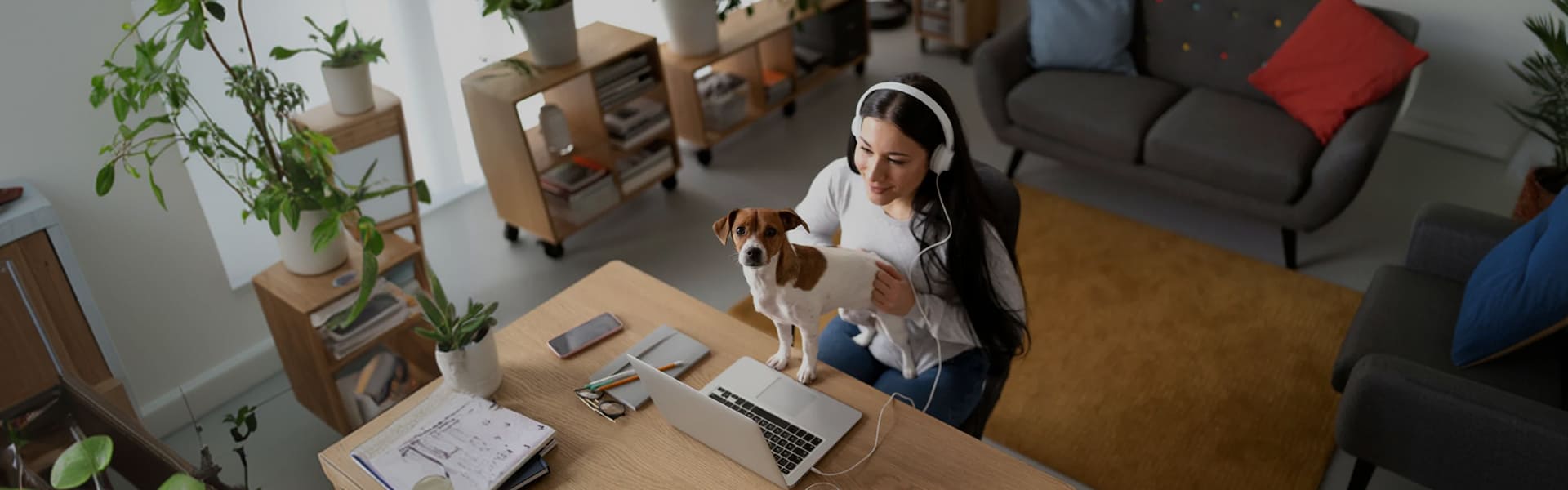
Working from home seemed simple. I thought a laptop, internet, and a quiet corner would be enough. It didn’t turn out that way. Gadgets slowly take over parts of the routine – sometimes helping, however, at times making things more complex than expected.
I have seen that most people do not notice the change away. The change comes slowly. Then people notice the change.
Gadgets make the work-from-home life easier, but the work never really stops.

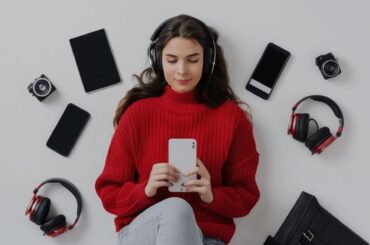
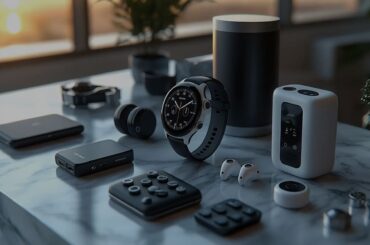
Laptops, phones, headphones, webcams, smartwatches – all of them make remote work possible. Without them, work from home wouldn’t really exist. At the same time, they make work feel constant.
Notifications don’t stop. Messages prompt even after working hours. Calls feel easier to schedule because “everyone’s already online.” Gadgets make it hard to switch off from work. Everything stays within reach. It might find it convenient at first, but it also means work never really leaves.
Productivity Tools: Helpful or Too Much?
Many work-from-home tools promise better focus. Extra screens, better keyboards, noise-cancelling headphones, tracking apps, timers – there’s always something new to try.
Some of these tools really do help. Others just make things feel more intense. If you are working from home and everything is being tracked, work will start feeling heavier to you instead of easier.
Being productive isn’t always about adding more and more tools. At times, it’s just about having fewer interruptions.
Comfort Matters More Than People Admit
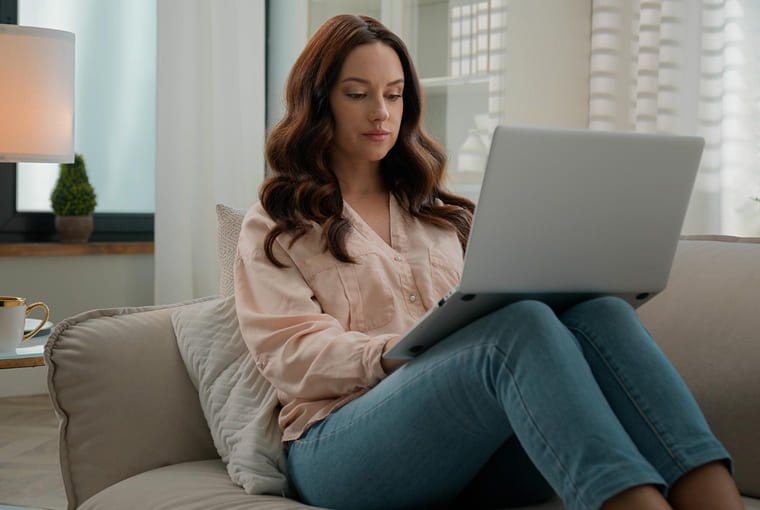
Working from home makes you notice small things. A chair that feels okay. A desk that isn’t too low. Light that doesn’t hurt your eyes. Headphones you can wear for a while.
If those things aren’t right, you feel it after some time. Your back hurts. Your neck feels stiff. You get tired faster. Honestly, these basic things matter more than some new fancy gadget.
Being comfortable just makes the day easier.
Smart Devices Change Daily Habits
Smart devices influence how workdays flow. Watches remind people to stand or move. Smart speakers manage timers or quick tasks. Phones fill gaps between meetings.
These devices help us create better habits or endless interruptions. It depends on how they’re being used by us. When gadgets start controlling the schedule excessively, days start feeling irritable instead of planned.
Work feels busier, even if output stays the same.
Video Calls Changed How We Communicate
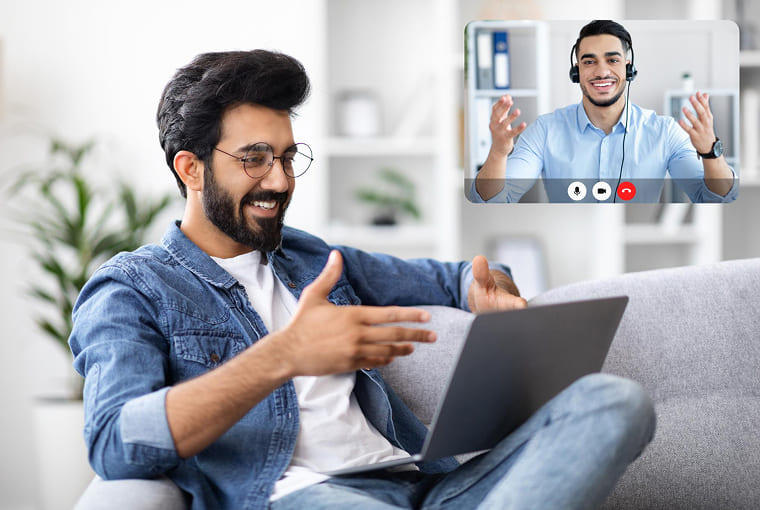
One of the biggest gadget-driven changes in work-from-home life is video calls. Meetings become really easy to schedule. You can replace face-to-face time with screens. Body language gets lost.
Gadgets help us in making communication faster, but not always better. Many people feel more exhausted after video calls when compared to in-person meetings. Being “on camera” for hours takes energy that most people are unable to realise they are spending. This kind of tiredness is genuine, even if it’s hard to explain.
The Hidden Dependence on Gadgets
Over time, working from home becomes dependent on gadgets working smoothly. When the internet drops, work stops. When a device fails, productivity disappears. When software breaks, frustration rises quickly.
This dependence adds a layer of stress. People don’t just worry about deadlines; they worry about tech holding up long enough to meet them.
Finding Balance Is the Real Challenge

Gadgets aren’t good or bad on their own. They are shaping work-from-home life based on how they’re being used. When picked sensibly, they support focus, comfort, and flexibility. When overused, they create noise, pressure, and burnout. The challenge here is not about owning the latest gadgets. It’s knowing which ones actually help and which ones quietly make work harder.
Final Thought
Working from home is not only about having access to a laptop anymore. The gadgets around you slowly change how the day feels. They affect when you start, when you stop, and how tired you feel by the end of it. Some days they help. Other days, they just make things heavier.
It’s not one big thing that shapes remote work. It’s the small tools you use every day.