


Remote work didn’t grow slowly. It just happened.
One month, people were in offices. The next month, everyone was at home, figuring things out as they went. At first, it felt temporary. Then weeks turned into months, and suddenly, remote work wasn’t an exception anymore.
Now it’s normal.
And that’s where the real question starts. Not whether remote teams can work – we already know they can. The question is whether this way of working actually holds up over time.
Why Remote Work Felt Like a Win at First

For a lot of people, remote work fixed problems they had stopped complaining about.
- Long commutes disappeared.
- Schedules became flexible.
- People had more control over their day.
For companies, there were benefits too. Lower costs. Bigger talent pools. Hiring without worrying about location.
In the beginning, it felt like everyone gained something.
Where Remote Teams Do Fine

Remote work usually works best when the job is clear.
- People know what they’re responsible for.
- Deadlines are realistic.
- Communication is written down, not guessed.
When work needs focus, remote setups can actually help. Fewer interruptions. Less noise. Less time wasted pretending to be busy.
Some people genuinely do their best work this way.
Where Things Start to Feel Off

Over time, the cracks show up.
- Messages get misread.
- Meetings increase.
- Quick questions turn into long threads.
Without casual chats, small misunderstandings can sit quietly and grow. New team members often feel lost. Even experienced employees can start feeling disconnected.
And then there is the workday itself. When your office is also your home, work doesn’t always end. People log in earlier. Stay online longer. Take fewer breaks. It is not looking unhealthy at first, but it surely adds up.
Team Culture Does Not Happen on Its Own

In offices, culture happens naturally.
- Conversations.
- Shared moments.
- Small interactions.
Remote teams don’t get that by default.
If companies don’t put effort into connection, work can start feeling transactional. You finish tasks, log off, and repeat. Over time, people stop feeling like part of something.
Remote culture isn’t impossible. It just doesn’t happen automatically.
Managing Remote Teams Is a Different Job
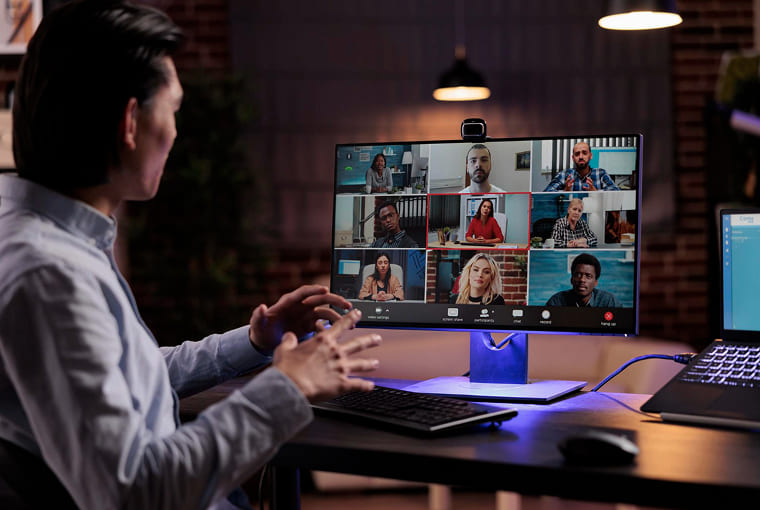
Old management styles don’t translate well.
- Watching hours.
- Tracking activity.
- Constant check-ins.
That usually creates stress, not better work.
Remote teams need trust. Clear expectations. Space to work without being watched. Managers who focus on results instead of presence tend to do better. Not everyone adjusts to that easily.
So… Is Remote Work Sustainable?

There isn’t one answer.
- Some teams thrive remotely.
- Some struggle.
- Many end up somewhere in between.
Remote work works when people are treated like adults and communication is honest. It fails when it’s used as a shortcut or when problems are ignored because “this is just how remote work is.”
That is the reason hybrid setups are becoming common. They are not perfect; however, they give teams flexibility without completely losing human connection.
Endnote
Remote work is not going away. But it’s not a magic solution either. Whether it lasts has less to do with location and more to do with how teams are supported.
- Tools matter.
- Processes matter.
- But people matter most.
Remote teams can last, but only if companies are willing to adapt instead of assuming it will just work on its own.