
This question comes up everywhere now. Someone reads a headline. Someone hears about a new AI tool. Someone suspects their job might disappear.
And all of a sudden, it feels like AI is either going to replace everyone or save everyone. The reality, as usual, takes a pew somewhere in the middle, and it’s a lot less intense than it sounds.
AI isn’t arriving like a switch that turns jobs off. It’s showing up slowly, changing how work gets done piece by piece.
Why It Feels Like Jobs Are at Risk?

AI is very good at certain things. It can handle repetitive tasks, process large amounts of information quickly, and is able to quickly generate drafts, summaries, and basic responses.
So, when people see AI doing parts of their job faster than they can, it’s natural to feel uneasy. Tasks that once took hours can now take minutes. That feels threatening, especially when work has always been tied to effort and time.
But tasks are not the same thing as jobs.
What AI Is Actually Replacing?
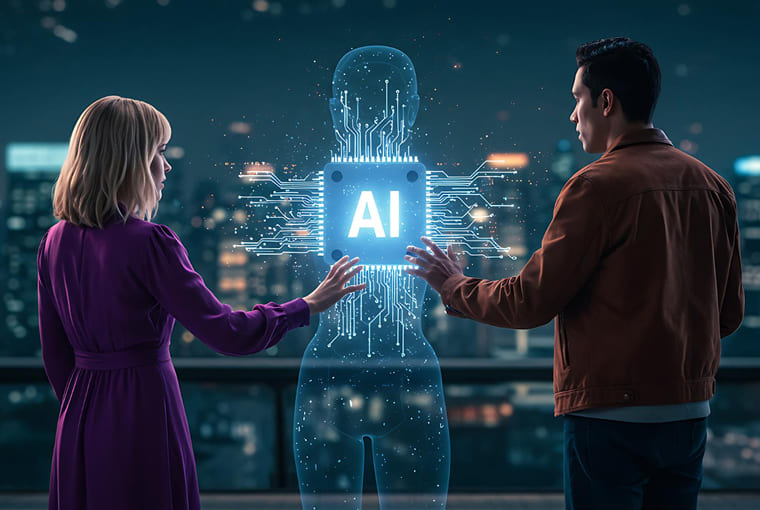
In most cases, AI isn’t replacing people. It’s replacing parts of the work like routine tasks, manual data handling, repetitive writing, basic analysis, and more.
These are the things that often slow people down. When AI takes over those parts, the job doesn’t disappear; it just changes shape.
People spend less time on repetition and more time on judgment, communication, and decision-making. That shift isn’t always obvious at first, but it’s already happening in many roles.
Why Some Jobs Will Change a Lot?

Some roles are built mostly around predictable tasks. Those jobs will change more than others.
This doesn’t always mean fewer jobs. It often means different skills. Jobs that used to focus on execution now require more oversight, problem-solving, and context. People who adapt usually don’t lose work; they just stop doing it the same way they used to.
New Roles Are Appearing Quietly
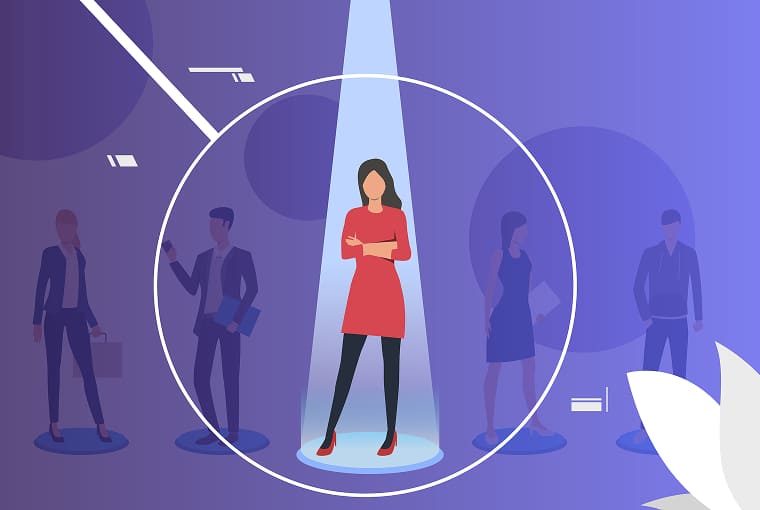
One thing that doesn’t get talked about enough is how new roles are forming. People are needed to:
- review AI output
- guide tools properly
- fix mistakes
- add context
- and make final decisions
These roles don’t always have flashy titles, but they exist. AI still needs human judgment, and that isn’t going away anytime soon. So you can say that work is shifting, not disappearing.
The Real Risk Isn’t AI
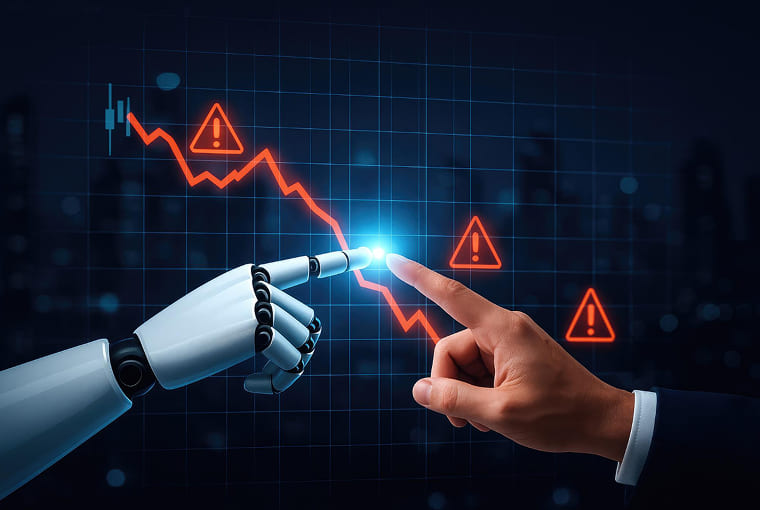
The biggest risk isn’t AI replacing jobs, it’s people refusing to adjust. Jobs have always changed with new tools. AI is just another shift – faster, yes, but not entirely new. People who learn how to work with AI usually stay relevant. Those who ignore it completely may struggle more over time.
That doesn’t mean everyone needs to become technical. It just means understanding how tools fit into the job.
Why Human Skills Matter More Now

As AI handles more technical and repetitive work, human skills become more important, not less.
- Communication
- Judgment
- Creativity
- Empathy
- Decision-making
These are harder to automate and easier to overlook. AI can assist, but it can’t replace human responsibility or understanding.
In many ways, AI pushes people to focus on the parts of work that actually need a human.
So Is AI Replacing Jobs or Reshaping Them?
Mostly reshaping. Some roles will shrink. Some will change. And some new ones will appear.
That’s not new. What’s new is the speed. The future of work won’t belong to AI alone. It will belong to people who understand how to work alongside it, without panic and without ignoring it either.
In the End
AI isn’t here to take over work overnight. It’s here to change how work happens. Slowly, unevenly, and sometimes uncomfortably.
Jobs aren’t disappearing in one clean sweep. They’re being reshaped, and how people respond to that change will matter far more than the technology itself.